Bulky Waste Items: Best Practices for Stretching Your Budget
Managing bulky waste items can pose a challenge for homeowners, renters, and businesses alike. Whether you are decluttering, renovating, or simply updating your furnishings, large unwanted items can eat into your budget if not handled strategically. This comprehensive guide explores the best practices for disposing of, recycling, or reusing bulky waste items--all while helping you stretch your budget and reduce environmental impact.
Understanding Bulky Waste Items
_Bulky waste items_ generally refer to large objects that cannot fit into standard trash bins. Examples include furniture, mattresses, appliances, carpets, and electronic devices. Because they require special handling, many municipalities charge extra fees for disposal, and improper management can result in fines. Understanding what qualifies as bulky waste is the first step to efficient, budget-conscious disposal.
Common Types of Bulky Waste Items
- Old sofas, couches, and armchairs
- Mattresses and box springs
- Refrigerators, washing machines, and other large appliances
- Carpets and rugs
- Large electronic devices (TVs, computers)
- Garden furniture and barbeque grills
- Doors, wooden pallets, and non-structural construction debris
Why Proper Bulky Waste Disposal Matters
Improper disposal of large waste items can harm both the environment and your wallet. Illegally dumping bulky objects is subject to hefty fines, while careless disposal clogs up landfills and contributes to pollution. Responsible management isn't just about compliance--it's also about maximizing the value you get from unwanted items and saving money in the process.
Best Practices for Managing Bulky Waste Items on a Budget
1. Assess Before You Toss
Before you rush to throw away that old armchair or washing machine, consider its reusability and value. Can it be repaired, donated, or resold? Often, what's trash to one person is a treasure to another.
- Test appliances to see if minor repairs or cleaning would restore their functionality.
- Assess the structural condition of furniture; sometimes a slipcover or small fix can make it usable again.
- Check for local repair cafes or businesses willing to buy and refurbish bulky items.
2. Sell or Donate Usable Items
Selling or donating bulky waste items can both prevent landfill waste and put extra cash in your pocket. Here's how to maximize your options:
- Online Marketplaces: List items on sites like Craigslist, Facebook Marketplace, OfferUp, eBay, or Freecycle.
- Charitable Organizations: Non-profits such as Goodwill, Salvation Army, or Habitat for Humanity often accept furniture and appliances in good condition.
- Local Community Groups: Many neighborhoods have social media pages or bulletin boards for exchanging goods.
*Bonus tip: Some charities offer free pickup for heavy items, saving you both time and disposal costs!*
3. Recycle When Possible
Many bulky waste items contain valuable materials like metal, wood, or electronics that can be recycled. This approach is eco-friendly and often cheaper than trashing items.
- Appliances: Major retailers or local programs may offer appliance recycling (sometimes even with rebates).
- Electronics: Use designated e-waste collection events or retailers with electronics recycling programs.
- Scrap Yards: Old metal furniture, bed frames, or equipment can be sold for scrap, generating a small profit.
Before recycling, confirm what materials your local recycling center accepts to avoid unnecessary trips or rejection fees.
4. Participate in Local Bulky Waste Collection Days
Most cities and counties organize bulky item pickup programs or special collection days, often included in your regular trash service or available for a nominal fee.
- Check your municipality's website for event schedules and eligibility requirements.
- Some events allow curbside pickup, while others require drop-off at a designated location.
- Plan ahead--these events can fill up fast.
*Budget advice: By timing your disposal around these events, you can avoid additional hauling or landfill charges!*
5. Pool Resources with Neighbors
If you and your neighbors have multiple bulky waste items, consider renting a dumpster or sharing a haul-away service. Splitting the cost makes professional disposal more affordable for everyone involved.
- Coordinate a block clean-up day.
- Compare prices from reputable junk removal services before booking.
- Share logistics and benefit from group rates.
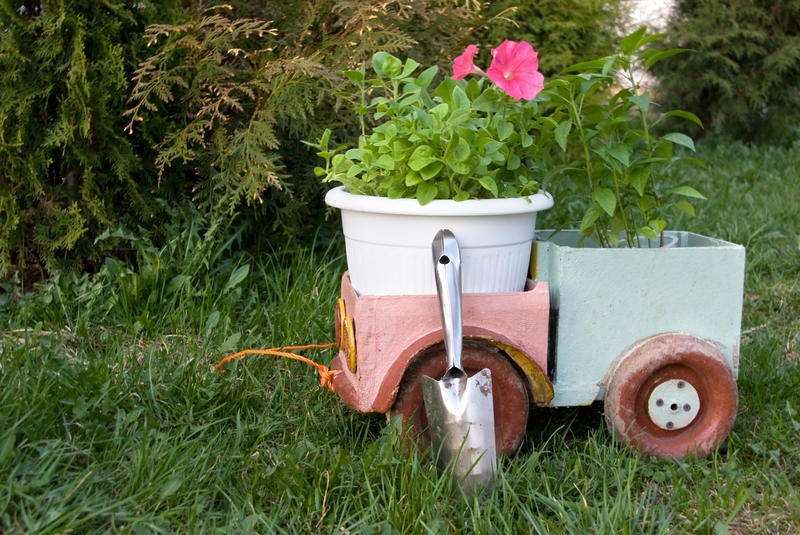
6. Upcycle Bulky Waste into DIY Projects
With some creativity, bulky waste items can be transformed into valuable or decorative pieces for your home or garden.
- Old doors can become headboards, coffee tables, or shelving units.
- Wooden pallets can be repurposed into planters or garden furniture.
- Broken appliances or electronics can provide parts for unique art or functional projects.
Not only does upcycling divert waste from landfills, it helps you save money by avoiding the purchase of new items.
7. Avoid Expensive Fines and Penalties
Illegal dumping or improper placement of bulky waste can result in substantial fines. Always:
- Follow local guidelines regarding curbside placement and acceptable items.
- Arrange appointments or collection as required--never dump items in vacant lots or public spaces.
- Consult with your waste provider about additional charges; some items (like mattresses or refrigerators) may have special disposal requirements.
Calculating the True Cost of Bulky Waste Disposal
Disposing of large items isn't just about the immediate hauling fees. Consider the hidden costs:
- Landfill tipping fees (charged by weight or item)
- Transportation costs (fuel, rental vans, or trucks)
- Opportunity cost (potential value lost when not selling or donating items)
- Environmental impact (future costs of landfill expansion and pollution cleanup)
Understanding the full financial picture motivates smarter, more sustainable decisions with your bulky waste items.
Quick Tips to Stretch Your Bulky Waste Budget
- Plan Ahead: Group bulky item disposal with other renovation or cleanup projects to save on transportation and hauling fees.
- Sort Items: Separate items that can be sold, recycled, or reused from true trash to minimize what ends up in the landfill.
- Price Comparison: Get multiple quotes for junk removal and watch for community "free pickup" events.
- Ask About Tax Deductions: Donated goods can sometimes be claimed as charitable contributions.
- Stay Informed: Policies and options for bulky waste disposal change often--review your local guidelines each year.
Frequently Asked Questions About Bulky Waste Disposal
Can I leave bulky waste items at the curb?
Usually, not without prior arrangement! Most towns require scheduling pickups or participating in special collection days. Unauthorized curbside disposal can lead to fines.
Are mattresses considered bulky waste?
Yes. In fact, mattress disposal is highly regulated in some areas due to recycling requirements and potential health hazards. Always check local guidelines.
Can I recycle all types of bulky waste?
Not all bulky items are recyclable, but many can be partially recycled or repurposed. For example, appliances can be stripped for metal; wooden furniture can often be reused or broken down for materials.
What if I can't transport bulky items myself?
Ask about local pickup services, donate to organizations that offer free haul-away, or consider hiring a reputable junk removal company. Pooling resources with neighbors can reduce the cost.

Environmental Impact and the Circular Economy
Rethinking how we handle bulky waste items is about more than saving money--it's about fostering a sustainable, circular economy. By selling, donating, repairing, or upcycling unwanted goods, you extend the lifecycle of materials and minimize environmental harm.
- Reduces landfill waste and greenhouse gas emissions
- Supports local communities through donations and affordable resale
- Saves money both for yourself and for municipal waste management programs
Conclusion: Make Bulky Waste Management Work for Your Wallet
Dealing with bulky waste items doesn't have to drain your finances or harm the environment. By following these best practices--assessing before you toss, selling or donating what you can, recycling where possible, and planning your disposal around community resources--you can handle large unwanted items efficiently while keeping costs low. Remember, a little creativity and research can go a long way in stretching your budget and making a positive impact.
For more tips and guidance, explore your local city website or waste management provider. Start saving today and turn bulky waste into new opportunities!
