Business Waste Removal in Dulwich
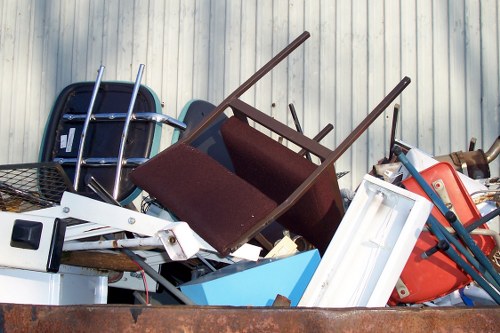
Business waste removal in Dulwich needs to be practical, tidy and straightforward, whether you are clearing routine office rubbish, removing old fixtures after a refit, or dealing with mixed commercial waste that has built up over time. Our service is set up to help local organisations keep workspaces manageable with collections that are planned around the type and volume of material involved. From everyday non-hazardous waste to bulkier items, the focus is on a reliable clearance process that keeps the job organised from the first enquiry through to the final load.
We handle a broad range of commercial clearance work, including office furniture, retail waste, storage-room contents and general business rubbish. Where items can be separated for recycling or further sorting, we make that part of the process clear at the outset. If you are comparing options, the pages on business waste removal and pricing and quotes give a useful starting point for understanding what can be arranged and how the service is usually costed.
If you need a quotation, send over the basic details and we can help you plan the next step. For straightforward office and commercial jobs, a little information about access, waste type and rough volume is often enough to begin.
Commercial waste collections planned around your premises
Business waste is rarely all the same. A small office may need desk disposal, packaging removal and bagged general rubbish collected together, while a larger unit may have redundant shelving, storage items and heavier mixed waste to move in stages. The right approach depends on what is being removed, how it is stored and whether any pieces need to be separated before loading. A proper commercial collection should feel organised, not rushed, so that the premises are left ready for the next task.
For many customers, the value lies in having one service that can deal with several waste types at once without creating extra disruption. That may include cleared furniture, loose rubbish, archive-room material or items left behind after an internal change. If your main concern is getting the space back under control, the relevant service pages for office clearance and waste removal explain the core types of work in more detail. We can also advise on whether the material is best removed as a single load or split into a few practical collections.
What a commercial clearance can cover
The exact scope depends on the site, but a typical business waste job may include:
- general office rubbish and mixed non-hazardous waste
- desks, chairs and other workspace furniture
- packaging, cardboard and storage-room contents
- loose items left after relocation, refurbishment or reorganisation
- selected bulky items that are awkward to move internally
Office furniture, fittings and equipment

Office waste often involves more than bagged rubbish. Workstations, filing units, pedestals, shelving and meeting-room furniture can all need removing together, especially when a layout is changing or old equipment is being replaced. That work usually benefits from a careful approach, because furniture has to be assessed for size, weight and access before it can be taken out safely. In practice, that means thinking about corridors, lifts, stairs and the order in which items should leave the building.
Where the items are suitable for dismantling, that can make the clearance simpler and reduce the chance of damage to walls or flooring. For customers dealing with redundant chairs, cabinets or similar fittings, the furniture clearance and furniture disposal pages are useful if you want to understand how individual pieces are handled. In some cases, a mix of furniture and general waste is the most efficient option, because it avoids arranging separate removals for closely related items.
When you are preparing an enquiry, it helps to describe the items plainly rather than trying to classify every piece. A short note about the type of furniture, the floor level, and whether access is straightforward is often enough to begin a sensible quotation. If there are awkward items such as conference tables, large storage units or multiple heavy chairs, mention those early so the collection can be planned properly.
Clearance for shops, stockrooms and mixed business waste
Retail and trade premises often generate a different kind of waste stream from offices. Packaging, damaged stock, display units, broken fixtures and back-room clutter can accumulate in ways that make the space awkward to use. A commercial clearance should account for those differences and avoid treating every job as though it were the same. The materials, access points and working hours can all matter, especially where customer-facing areas need to stay tidy while the removal is taking place.
Businesses that want a broader overview of the service can look at business waste removal alongside the general waste removal page, which sets out the main categories in a more general way. If the waste includes old shelving or shop furniture, that can often be included in the same collection rather than arranged separately. Clear labels, grouped items and a rough estimate of the amount involved all help make the job more efficient.
Useful details to include in a quotation request: what the waste is, where it is stored, whether there are stairs or narrow access points, and whether you need everything collected in one visit or over more than one load. Those basics allow the work to be scoped sensibly without overcomplicating the enquiry. If you are unsure how much needs removing, a simple description is enough to start the conversation.
Office, archive and storage-room clearances

Some of the most time-consuming commercial waste jobs involve spaces that have been used for storage over a long period. Archive rooms, cupboards, back offices and unused stock areas often contain a mix of paper waste, broken office items, old files, packaging and equipment that is no longer needed. A good clearance service should take account of that mixture and remove the contents in a way that feels orderly rather than chaotic.
Where confidential material or sensitive paperwork is involved, the first step is to decide what needs secure handling and what can go through a standard removal route. The confidential shredding page is relevant if documents need separate treatment, while office clearance explains the wider collection of contents from business premises. Combining the right services can keep the process focused and avoid moving items more than once.
For storage-heavy jobs, it is often helpful to think about priority items before the collection takes place. Items left for disposal should be grouped where possible, and anything that must stay on site should be clearly separated. That simple preparation can save time and reduce confusion on the day. If there are restricted doors, locked rooms or shared access areas, mention those too so the collection can be arranged around the premises rather than the other way round.
Bulky items and specialist disposal decisions
Not all business waste can be treated as loose rubbish. Some items are bulky, heavy or awkward to move, and they may need a more considered approach because of their shape or the material they are made from. Mattresses, sofas, old appliances and similar pieces can raise different handling questions from standard office rubbish, particularly where the item has to be carried through internal spaces before loading.
If bulky waste is part of your clearance, the service pages on mattress and sofa disposal and fridge and appliance removal set out those categories more clearly. These are useful when a commercial site has staff-room furniture, replacement appliances or other large items that no longer need to remain on the premises. Where the load also includes general rubbish, it may still be possible to combine it into one practical collection.
Choosing the right route for bulky waste
The key decision is whether the item needs its own disposal approach or can be grouped with other business waste. Factors such as weight, access, the presence of electrical components and the need for dismantling can all affect the plan. Where multiple bulky items are involved, it may be simpler to clear them alongside lighter waste rather than organising them in isolation.
About Dulwich
Dulwich is a historic district in South London with a character shaped by its estates, green spaces and long-established cultural institutions. The area is commonly associated with Dulwich Village, East Dulwich and West Dulwich, each of which has its own feel while still belonging to the wider district. One of its best-known landmarks is Dulwich College, founded in 1619, alongside the Dulwich Picture Gallery, which opened in 1817 and is recognised as one of England’s earliest purpose-built public art galleries. The district also includes the Old College Road and College Road areas linked to the estate planned by the nineteenth-century surveyor and landowner Edward Alleyn’s legacy. The local street pattern includes quieter residential roads, small centres of activity and routes that connect toward neighbouring parts of south-east London. Open space is an important part of the area’s identity, with Dulwich Park offering formal paths, water features and broad tree-lined views, while Belair Park adds more landscaped greenery nearby. The green corridor of Sydenham Hill Wood, a local nature reserve, reflects the persistence of ancient woodland on the ridge and gives the district a strong natural edge. Dulwich’s architectural mix ranges from detached and semi-detached houses to Victorian and Edwardian terraces, with pockets of older institutional buildings and carefully maintained civic spaces. The district is also known for its association with arts, schooling and local conservation, which together give it a settled, distinctive atmosphere within inner south London.
Collections that fit refurbishment, relocation and everyday operations
Commercial waste removal is often needed at the same time as a change in how a premises is being used. An office move may leave redundant desks and chairs behind; a refurbishment may generate packaging, broken fittings and offcuts; a stockroom review may uncover items that are no longer worth storing. A practical collection service should be able to fit around those changes without making them more complicated than necessary.
Where the waste is part of a wider programme, a clear description of the sequence can help. Tell us whether the clearance needs to happen before fit-out work starts, after staff have moved desks, or once a room has been stripped back. If you want to compare related services, builders waste clearance is relevant for work generated by construction or refurbishment, while home clearance is useful only if the job extends beyond business premises into domestic settings. Keeping the scope specific makes the removal easier to plan.
One quotation request can be enough if it includes the essentials: the type of premises, the kind of waste, the amount involved and any access details. That is usually sufficient to start a sensible discussion without overloading the enquiry. If you are unsure whether an item belongs in general waste, furniture disposal or a specialist category, mention it in plain language and let the scope be refined from there.
Sorting, recycling and responsible disposal
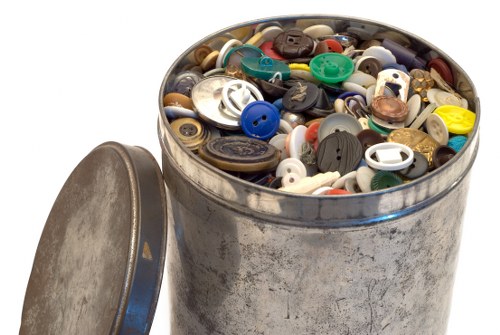
Businesses often want a clearance that does more than simply take everything away. Where waste can be separated into reusable, recyclable or general disposal streams, that sorting can be built into the collection plan. Cardboard, office paper, mixed furnishings and some metals may need different handling, and a thoughtful approach helps keep the job organised. The aim is not to overcomplicate matters, but to avoid treating all waste as if it were identical.
The recycling and sustainability page sets out the broader approach to responsible disposal, while what can go in a skip may help if you are deciding how a particular type of waste should be grouped before removal. For some businesses, the practical question is not whether a full site clearance is needed, but whether current waste can be sorted more sensibly to support routine disposal and keep clutter from building up again.
We can help you choose a collection approach that matches the material rather than forcing everything into one category. If there is mixed waste on site, it may be best to separate the obvious items first and leave the less certain pieces for discussion. That keeps the process efficient and gives you a clearer starting point for future removals. If you are ready to arrange the job, request a quotation and we will help you work out the best way forward.
Making the enquiry straightforward
Many business customers prefer an enquiry process that is brief but specific. That works well for this kind of service, because it is usually enough to know the waste type, the approximate volume, the location within the premises and whether the collection has any access difficulties. If the items are already gathered together, say so. If they are spread across several rooms, that matters too, because it affects how the clearance is organised.
A helpful enquiry does not need to be formal. A short description such as “office chairs, filing cabinets and mixed rubbish from two rooms†gives a better starting point than a vague request. If you have items that may need separate handling, such as electronics, appliances or confidential paperwork, mention them clearly. For related office or paperwork jobs, the pages on about us and contact us provide a direct route to learn more about the business and send an enquiry when you are ready.
Once the scope is clear, the rest of the process is about keeping the removal tidy and efficient. The more plainly the waste is described, the easier it is to decide what should be taken, what should stay and whether any items need to be treated as a separate load. If you are comparing options, ask for a quotation now so you can move ahead with confidence.