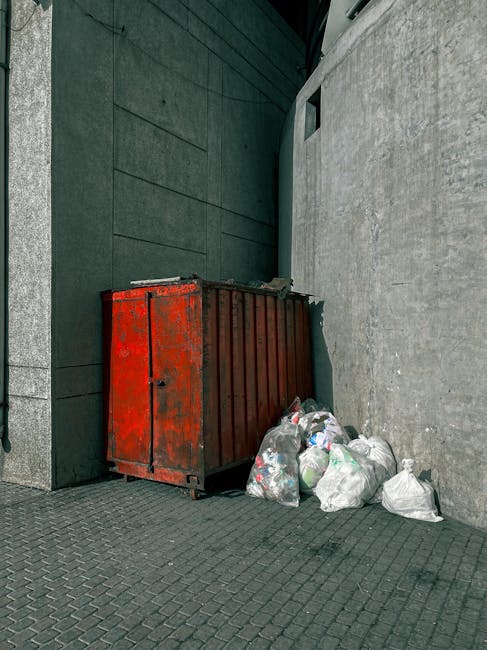
Rubbish removal cost guide Dulwich SE21 2026
If you are trying to work out what rubbish removal in Dulwich SE21 might cost in 2026, you are not alone. Most people only start comparing prices when the pile is already there: a flat clearance after a move, a garden that has got a bit out of hand, or a few bulky items that simply will not fit in the car. This guide breaks down the real cost drivers, what you can expect from a professional rubbish removal service, and how to avoid the little surprises that make a cheap quote expensive by the end. We will keep it practical, local, and plain English. No fluff.
Whether you are clearing a one-bed flat near Lordship Lane, dealing with renovation waste, or just finally sorting the garage, the numbers are easier to understand once you know what affects them. And to be fair, that is usually half the battle.
Contents
- Why the cost guide matters in Dulwich
- How rubbish removal pricing works
- Key benefits and practical advantages
- Who this is for and when it makes sense
- Step-by-step guidance
- Expert tips for better results
- Common mistakes to avoid
- Tools, resources and recommendations
- Law, compliance, standards and best practice
- Options, methods and comparison table
- Case study or real-world example
- Practical checklist
- Conclusion
- Frequently asked questions
Why Rubbish removal cost guide Dulwich SE21 2026 Matters
Rubbish removal costs are not just about the van turning up and taking things away. In Dulwich, the practical reality is that access, parking, property type, and waste type can all shift the price. A job that looks small from the pavement can take longer than expected once you factor in stairs, tight hallways, or a side return full of broken cupboards.
That matters because most people want two things at once: a fair price and a smooth collection. The trouble is, without a proper cost guide, it is easy to compare quotes that are not really comparable. One company might include labour, loading, disposal, and recycling, while another quotes low and adds extras later. Annoying? Absolutely. Uncommon? Not really.
It also matters for planning. If you are timing a property sale, end-of-tenancy clean, office refit, or builder's project, rubbish clearance often sits on the critical path. A delay of even one day can mean dust, clutter, or a missed handover. Knowing the likely cost range helps you schedule the job properly and avoid last-minute panic.
For many Dulwich households and businesses, rubbish removal is also a better fit than hiring a skip. That is especially true where parking is awkward, the waste is mixed, or you want someone else to do the lifting. If you are weighing up service types, it is worth looking at general waste removal alongside more specific services such as house clearance or office clearance.
How Rubbish removal cost guide Dulwich SE21 2026 Works
Most rubbish removal pricing is built from a few core parts: volume, waste type, labour, access, and disposal route. In the simplest sense, the more space your waste takes in the truck, the more you pay. But that is only the starting point.
Here is the usual logic behind a quote:
- Volume is estimated. The load may be measured in fractions of a van load, by cubic yards, or by item count, depending on the operator.
- Waste is identified. Mixed household rubbish, furniture, soil, builders' rubble, mattresses, and appliances can all be priced differently.
- Access is checked. Is it ground floor? Top floor with no lift? Narrow stairwell? Long carry distance from the front door? These details affect time and labour.
- Disposal costs are added. The provider must transport and dispose of the waste responsibly, which is where recycling, sorting, and transfer fees come in.
- Any special handling is noted. Fridges, sofas, confidential papers, and hazardous items can change the quote, sometimes quite a lot.
A sensible quote should feel transparent rather than mysterious. If it is just one number with no explanation, ask what is included. A good provider will usually explain how they arrived at the price. That is not being awkward, by the way. That is just sensible buying.
For commercial customers, costs can differ again because business waste often needs separate handling, documented disposal, or a different collection schedule. If that is your situation, business waste removal can be a better match than a one-off domestic collection.
Key Benefits and Practical Advantages
The big advantage of professional rubbish removal is simplicity. You point at the mess, and it disappears without you spending your Saturday wrestling with dusty bags and hiring equipment you barely use. That sounds obvious, but when you are staring at a loft full of old junk, obvious becomes valuable.
Here are the main benefits people usually care about:
- Speed: collections can often be arranged far faster than skip logistics.
- No heavy lifting: useful for bulky furniture, appliances, and awkward items.
- Better for tight streets: Dulwich parking can be awkward, and not every address is skip-friendly.
- Cleaner finish: a good team clears, loads, and leaves the space usable.
- Better sorting: recyclable items can be separated more efficiently.
- Flexible for mixed waste: handy when one room contains a strange mix of items. You know the type.
There is also a financial benefit that is easy to miss. If you compare like for like, a professional clearance can save you money once you add up skip hire, permit worries, parking restrictions, your own time, and the risk of overfilling or underestimating the size. Sometimes the cheapest upfront option is not the cheapest option at all.
For large furniture, using a specialist route can be even more efficient. That is why some people look at furniture clearance or furniture disposal when a sofa, wardrobe, or bed frame is the main headache.
Practical takeaway: if the job involves bulky, mixed, or hard-to-move waste, you are usually paying for convenience, speed, and proper disposal as much as for the collection itself. That is not a bad thing. It is the point.
Who This Is For and When It Makes Sense
This guide is useful for just about anyone in SE21 who needs to clear waste without the drama. The most common situations are straightforward, but the details vary more than people expect.
You will probably find rubbish removal makes sense if you are:
- moving home and need a fast clear-out
- emptying a rental property between tenancies
- removing old furniture or white goods
- clearing a garage, loft, or shed
- dealing with post-renovation waste
- refreshing a garden after a big seasonal tidy
- clearing an office or workspace
- handling a probate or sensitive household clearance
It is also a strong fit for flats and maisonettes where access is tight. A fourth-floor walk-up can quickly make "I'll just hire a skip" sound less appealing. Nobody loves carrying broken shelving down three flights while trying not to chip the bannister.
If your main issue is a specific room or type of waste, a targeted service can be the smarter route. For example, loft clearance is often priced differently from garage clearance, and a garden clearance may involve green waste, old planters, or broken fencing rather than mixed household rubbish.
One thing to watch: not every clearance needs a full-service team. If you only have a few bags, some cardboard, and one small item, it may be worth checking whether a lighter-touch collection is enough. The right solution is the one that fits the job, not the one that sounds biggest.
Step-by-Step Guidance
If you want a cleaner estimate and fewer surprises, follow a simple process. It does not need to be complicated.
1. Make a clear list of what needs removing
Start with the obvious items, then add the awkward bits. A half-remembered pile is exactly how quotes become vague. Include furniture, black bags, broken DIY waste, appliances, and anything stored in cupboards, under beds, or in the shed.
2. Separate ordinary waste from special items
Some waste types need special handling. Fridges, freezers, certain chemicals, paint, and other hazardous materials should be treated carefully and priced separately if needed. If you are unsure, ask before collection day. It is much easier than sorting it all at the kerb at 7 a.m. with a cup of tea getting cold in your hand.
3. Estimate volume honestly
Volume drives price, so honesty pays off. Try to picture how much space the waste takes up in a room or in a van. A small heap of dismantled furniture can still take a surprising amount of space once loaded properly.
4. Check access and parking
Tell the provider about stairs, lifts, narrow drives, loading restrictions, and long carries. This is especially important in Dulwich, where parking and access can be the hidden issue. A quote based on easy access will not feel great if the team has to walk a long way with every item.
5. Ask what is included
Make sure the price covers labour, loading, disposal, and any basic recycling or sorting. If VAT, minimum charges, congestion-like access issues, or disposal surcharges might apply, ask about them early.
6. Compare more than the headline price
Price matters, of course. But so do reliability, insurance, expected arrival windows, and whether the team will clear the waste from inside the property rather than only taking curbside loads.
7. Book a time that suits the real job
If the clearance is large or sensitive, leave enough time. A rushed move-out day is rarely a happy one. Give yourself space to breathe. It helps, honestly.
Expert Tips for Better Results
A few small choices can make your rubbish removal cheaper and smoother. These are the kinds of things people only learn after doing it once, or twice.
- Group similar items together. This makes pricing faster and often more accurate.
- Break down furniture where possible. Flat-pack pieces take less space than fully assembled ones.
- Keep recyclable materials separate. Cardboard, metals, and clean wood can sometimes be handled more efficiently.
- Be realistic about "just a few bits". Those bits have a habit of multiplying.
- Take photos for quoting. A few clear pictures can save a lot of back-and-forth.
- Book earlier for busy periods. Fridays, month-end, and pre-holiday slots tend to go quickly.
In our experience, the best savings usually come from preparation rather than bargaining. A tidy, accessible job is easier to price accurately and easier to complete quickly. That is the boring truth, but it is the useful one.
If you are dealing with household items that are heavy or awkward, look at specialist disposal pages such as mattress and sofa disposal or fridge and appliance removal. They can help you understand why certain items cost more than a standard bag of rubbish.
And if there is anything sensitive mixed in with the waste, confidential documents should be handled separately. It is one of those details people forget until the last minute, which is never ideal.
Common Mistakes to Avoid
Most rubbish removal problems come from the same handful of mistakes. Once you know them, they are easier to avoid.
- Underestimating the load: the classic error. The pile always looks smaller from across the room.
- Not mentioning access problems: stairs and parking can change the job more than you think.
- Mixing special waste with general waste: this can trigger extra charges or require a separate collection.
- Choosing on price alone: a suspiciously cheap quote may exclude labour or disposal.
- Leaving sorting until collection day: that creates delays and, frankly, a bit of stress nobody needs.
- Ignoring compliance questions: if waste is not handled properly, you can end up with problems later.
One smaller mistake, but a common one, is assuming every service is the same. It really isn't. A home clearance, builder's waste collection, and office clearance may all involve different waste streams and different pricing logic. If you are not sure which route fits your situation, start with the nearest match and ask the provider to confirm.
For building projects, builders waste clearance is often the better fit than standard household rubbish removal. Rubble, plasterboard, timber offcuts, and mixed renovation debris tend to need a different approach.
Tools, Resources and Recommendations
You do not need fancy software to plan a rubbish removal job, but a few simple tools can help.
- Phone camera: take photos of the waste from a couple of angles.
- Notebook or checklist: list items room by room.
- Measuring tape: useful for bulky items and awkward spaces.
- Rough access notes: stairs, lifts, parking, gates, long carries.
- Calendar reminder: useful if you are coordinating with movers, decorators, or tenants.
For general guidance on service options and pricing structure, pricing and quotes is a sensible place to understand how a provider frames estimates. If you are still deciding between removal and other waste routes, what can go in a skip can also help you compare what kind of waste each method can handle.
There is also value in checking how a company approaches recycling and responsible disposal. A lower price is not very attractive if it leads to poor sorting or poor practice. That bit matters more than people sometimes think.
Law, Compliance, Standards, or Best Practice
Waste handling in the UK comes with responsibilities, even for everyday rubbish removal. You do not need to be an expert in environmental law to make a sensible choice, but it helps to understand the basics.
At a practical level, the provider should be able to manage waste responsibly, separate recyclable materials where possible, and dispose of unsuitable items through the correct channels. For certain materials, such as hazardous waste, white goods, or items with electrical components, careful handling is especially important. If you are unsure whether something counts as hazardous or needs special treatment, ask before it is loaded.
From a customer point of view, best practice means a few simple things:
- clear pricing before work begins
- safe lifting and loading practices
- appropriate handling of special waste
- proper disposal and recycling routines
- insurance and safety awareness
That last point is worth a glance. A team should be able to explain how they manage safety on site and what happens if an item is awkward, heavy, or potentially risky. If a company offers a page on insurance and safety or a clear health and safety policy, that is a reassuring sign, not marketing fluff.
If hazardous materials are involved, do not guess. A careful, compliant approach is better than trying to save ten minutes and making a bigger issue later. That goes for paint tins, solvents, and anything you are not fully sure about.
For business customers, confidentiality and data disposal can also matter. Papers, old files, and storage units filled with documents should be handled thoughtfully, which is where confidential shredding becomes relevant.
Options, Methods, or Comparison Table
There are usually three ways people approach rubbish removal in Dulwich: full-service waste collection, skip hire, or doing it themselves in smaller trips. Each has its place, but they are not interchangeable.
| Method | Best for | Typical strengths | Main drawbacks |
|---|---|---|---|
| Rubbish removal service | Bulky, mixed, or time-sensitive waste | Fast, labour included, no lifting for you | Can cost more for very small loads |
| Skip hire | Longer DIY projects with steady waste | Good for ongoing jobs, simple drop-off model | Space, permits, and loading limits can be awkward |
| Self-haul | Small volumes and easy-access recycling trips | Potentially low direct cost | Time-consuming, physically tiring, limited by vehicle size |
If you have a compact project and the waste is predictable, skip hire may be fine. If you have a one-off clear-out with awkward furniture, mixed junk, or time pressure, a removal service usually wins on convenience. For many homes in SE21, that is the decisive factor.
There is no single "best" option. The best option is the one that fits your waste, your access, and your timetable. Simple as that.
Case Study or Real-World Example
A typical Dulwich scenario goes something like this. A family is clearing a first-floor flat after a move. They have a bed frame, two wardrobes, a broken chest of drawers, six bags of mixed household waste, and a few bits from the balcony that have been gathering weather damage for years. Nothing dramatic, just a very ordinary clear-out.
At first glance, they think the job is tiny. Then they try moving the wardrobe down the stairs and realise the corners are awkward, the landing is tight, and there is no real place to park a van without thinking about access. Suddenly it is less "quick tidy-up" and more "why did we leave this until Thursday evening?".
In that situation, a proper rubbish removal quote would likely consider:
- volume of mixed load
- labour for upstairs collection
- distance from property to vehicle
- bulky furniture handling
- recycling or disposal requirements
The result is usually a more accurate price and a much easier day. The family does not need to hire a van, lift heavy items, or spend the weekend making repeated trips. They get the flat cleared, the floor swept, and a clean reset. Not glamorous, but very satisfying.
That is really what a good rubbish removal service buys you: headspace as much as floor space.
Practical Checklist
Use this quick checklist before you book:
- List every item you want removed
- Separate special waste from general rubbish
- Take photos of the load from more than one angle
- Note access issues such as stairs, parking, or long carries
- Ask what the quote includes before agreeing
- Check whether furniture or appliances need special handling
- Confirm the booking time and expected arrival window
- Keep pathways clear on collection day
- Remove personal items from drawers, cupboards, and bags
- Think about recycling if there are reusable or separable materials
One small tip: if you are unsure whether something should go, keep it aside for a second look. You would be surprised how often an item gets "accidentally" added to the pile because it looks a bit tired. Happens to everyone.
Conclusion
Rubbish removal costs in Dulwich SE21 for 2026 will continue to depend on the same real-world factors: load size, waste type, access, labour, and disposal requirements. Once you understand those moving parts, the numbers stop feeling random and start making sense. That is usually the moment the decision gets easier.
If your job is small, accessible, and straightforward, you may only need a simple collection. If it is bulky, mixed, time-sensitive, or awkward, a professional clearance service is often the better-value option because it saves time, effort, and a fair amount of hassle. And let's face it, hassle has a cost too.
For the best outcome, prepare the waste properly, describe the job honestly, and compare quotes on more than price alone. That one habit alone can save a surprising amount of money and frustration.
Get a free quote today and see how much you can save.
When the clutter is gone, the room feels different. Quieter somehow. Lighter. And that is a pretty good feeling.
Frequently Asked Questions
How much does rubbish removal usually cost in Dulwich SE21?
Costs vary depending on volume, waste type, access, and whether labour is included. A small, easy collection will usually cost less than a bulky mixed-load clearance, especially if stairs or parking restrictions are involved.
Is rubbish removal cheaper than skip hire?
It depends on the job. For small or medium loads, rubbish removal can be better value because labour and disposal are bundled in. For longer DIY projects with steady waste, a skip can be more practical. The cheapest option is not always the simplest.
What makes a rubbish removal quote go up?
Common reasons include heavy items, special waste, difficult access, long carrying distances, and mixed materials that take longer to sort. Fridges, sofas, and builders' waste can also affect the price.
Do I need to sort the waste before collection?
It helps, but you do not need to make it perfect. Grouping items and separating special waste makes quoting easier and may reduce surprises. A bit of organisation goes a long way.
Can rubbish removal companies take furniture and appliances?
Yes, many can. Large furniture and white goods are often handled as part of specialist furniture disposal or appliance removal. Always mention them in advance so the price is accurate.
What should I do with hazardous waste?
Do not mix it in with general rubbish. Hazardous items need careful handling and may require a separate service. If you are unsure whether something is hazardous, ask before collection day.
Is rubbish removal suitable for flats in Dulwich?
Very often, yes. It can be especially useful in flats because you do not need to manage a skip permit or do all the lifting yourself. Access details still matter, so mention stairs, lifts, and parking when you request a quote.
How do I know if a quote is fair?
A fair quote should explain what is included, what the waste type is, and whether there are any extra charges for access or special items. If the price feels unclear, ask for a breakdown.
Can I book rubbish removal for an office clear-out?
Yes. Office clear-outs often involve furniture, paperwork, packaging, and mixed equipment, so a business-focused collection can be a sensible choice. Confidential materials should be handled separately where needed.
What is the best way to save money on rubbish removal?
Prepare the waste, be honest about volume, separate special items, and give clear access details. Those simple steps usually save more money than trying to negotiate after the fact.
Do I need to be home during collection?
Usually, yes, especially if the waste is inside the property or access needs to be arranged. Some collections may be possible with prior agreement, but it is best to confirm this in advance.
What happens to the rubbish after collection?
It is normally taken for sorting, recycling, or disposal through an appropriate waste facility. Providers should aim to recycle where possible and handle non-recyclable material responsibly.