Creative Ideas to Reuse and Dispose of Cardboard Packaging
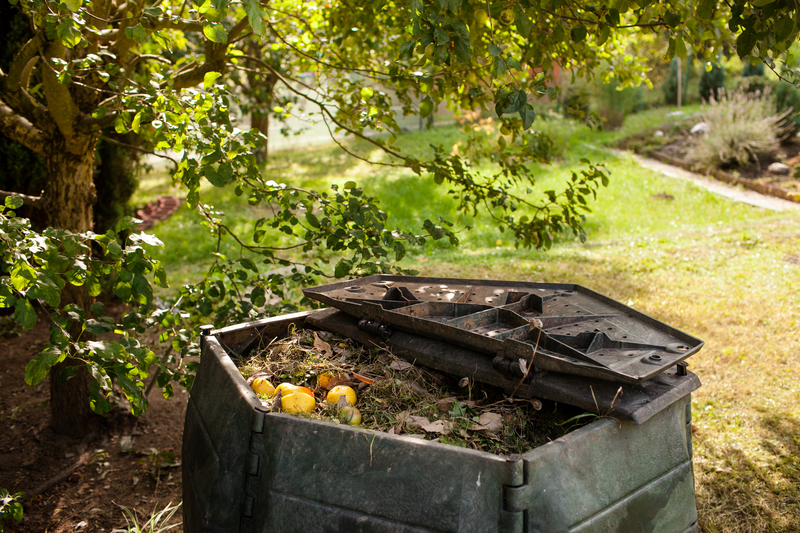
Creative Ideas to Reuse and Dispose of Cardboard Packaging: The Expert, UK-Friendly Guide
If you're anything like the rest of us, cardboard boxes seem to multiply after every delivery. They lean against the hallway wall, rustle softly when you pass, and, to be fair, it's kinda wild how quickly they pile up. Here's the good news: with a few creative ideas to reuse and dispose of cardboard packaging, you can turn that "box problem" into a smart, sustainable win--for your home, garden, business, and the planet.
This long-form guide is written to be practical, UK-savvy, and expertly detailed. You'll find creative reuse projects, responsible recycling steps, composting tips that actually work, and clear guidance on UK regulations--from the Waste Hierarchy to Extended Producer Responsibility (EPR). You'll also find quick wins you can try today, and strategic changes for steady savings over the year. In our experience, you'll notice the calm that comes from knowing exactly what to do next. Clean, clear, calm. That's the goal.
Table of Contents
- Why This Topic Matters
- Key Benefits
- Step-by-Step Guidance
- Expert Tips
- Common Mistakes to Avoid
- Case Study or Real-World Example
- Tools, Resources & Recommendations
- Law, Compliance or Industry Standards (UK-focused)
- Checklist
- Conclusion with CTA
- FAQ
Why This Topic Matters
Cardboard is the quiet workhorse of modern life. It protects your parcels, stocks your pantry, and keeps supply chains moving. In the UK, we use millions of tonnes of paper and cardboard packaging every year. When managed well, it's one of the easiest materials to recycle or compost. When managed poorly, it clutters homes, inflates business costs, and--truth be told--wastes a valuable resource.
According to industry practice and WRAP (the UK's Waste & Resources Action Programme), recycling paper and cardboard delivers meaningful carbon savings. While figures vary by grade and process, typical estimates indicate that recycling a tonne of paper/cardboard can save around 1.3-1.5 tonnes of CO2e compared with landfill or incineration. That's not just a number. It's cleaner air, less energy used, and fewer trees cut. Multiply that by the boxes on your street, your warehouse, your city--and the impact adds up fast.
A small, human moment: a client in South London once sighed and said, "I wasn't expecting recycling to be a relief." But after putting simple systems in place, their back room went from chaotic to orderly in a week. You could almost smell the cardboard dust settling. Organisation brings peace.
Key Benefits
Here's what you gain by using creative ideas to reuse and dispose of cardboard packaging the right way:
- Clutter control, genuinely: Flat-packed boxes take up a fraction of the space--and no, you don't need to keep them all.
- Lower costs for businesses: Smarter segregation, compacting, and consistent collections reduce waste bills. Reuse programs (box swaps, returns) save on packaging spend.
- Eco-cred you can feel: Recycling and reuse cut emissions. Composting turns brown waste into living soil. Feels good because it is good.
- Better brand image: For SMEs and e-commerce, visible reuse policies and plastic-free, paper-taped boxes impress customers.
- Compliance made simple: Following the UK Waste Hierarchy and Duty of Care keeps you on the right side of regulations.
- Creative value: From moving house kits to kid crafts to garden mulch--cardboard is a surprisingly versatile material.
One quiet Saturday afternoon, I watched a dad and his daughter turn a large box into a rocket ship. Felt-tip stars. A flap-door. The dog looked confused, then proud. That's the magic of reuse--small, happy upgrades to everyday life.
Step-by-Step Guidance
Whether you're a household clearing post-holiday packaging or a warehouse swimming in OCC (old corrugated containers), these steps will help you with smart reuse and responsible disposal.
1) Sort: Clean, Dry, and Separate
- Keep clean cardboard apart from soiled or greasy items (e.g., food-stained pizza boxes). Clean sections can be recycled; oily parts are better composted or binned if heavily contaminated.
- Remove plastics: Take off plastic film, bubble wrap, and polystyrene. Paper tape is fine in most UK recycling systems; plastic tape is usually tolerated in small amounts but best removed when easy.
- Keep it dry: Store cardboard indoors or under cover. Wet cardboard loses structural strength and can contaminate recycling streams.
Micro moment: It was raining hard outside that day, and the stack by the door wicked up water like a sponge. We learned quickly--never store boxes by a draughty back entrance.
2) Flatten and Right-Size
- Break down boxes with a safety knife or scissors. Flattened boxes transport easily and reduce storage volume dramatically (often by 80%+).
- Nest smaller boxes inside larger ones only if they're staying dry and clean; otherwise, flatten all to avoid hidden moisture and pests.
3) Choose Your Path: Reuse, Upcycle, Compost, or Recycle
Apply the UK Waste Hierarchy order: Prevent -> Reuse -> Recycle -> Recover -> Dispose.
Reuse and Upcycle Ideas
- Moving kits: Keep 5-10 sturdy boxes, paper tape, and a marker in a cupboard. Future-you will be grateful during the next house shuffle.
- Storage dividers: Cut cardboard to organise drawers, craft supplies, or garage shelves. Satisfying click-fit segments, zero cost.
- Kids and classroom crafts: Costumes, dioramas, puppet theatres, car tracks, doll furniture--let imagination lead.
- Plant protection: Slip flat pieces under muddy boots or as drip trays under pots. Works a treat.
- Sheet mulching: In the garden, lay down corrugated cardboard (remove plastic tape) as a weed barrier beneath compost or bark.
- Pet projects: Cat scratch pads, small animal bedding layers (shredded), or foraging toys. Check inks first--most modern box inks are water-based and low toxicity.
- Shipping filler: Shred and crinkle cardboard for package cushioning--it's a plastic-free alternative to peanuts.
- DIY laptop stand or photo backdrops: Lightweight, stable, and easy to customise. Sounds odd, but it works.
Composting and Soil Use
- Shred or tear cardboard into small pieces to speed decomposition.
- Balance browns and greens: Aim for roughly 2-3 parts shredded cardboard ("browns") to 1 part food/grass ("greens") by volume.
- Remove glossy/waxy parts and plastic tape. Small amounts of paper tape are fine.
- Keep moist, not soggy: Think wrung-out sponge. Turn the pile every few weeks.
- Use clean pizza box lids as a carbon source; compost the heavily soiled base only if the heap runs hot and active.
In our experience, you'll notice a sweet, earthy smell when your compost is happy and well-balanced. If it smells sour, add more browns and turn it.
Recycling: Kerbside and Commercial
- Check local rules: UK councils differ slightly. Most accept flattened cardboard in the dry mixed recycling bin or a dedicated card/paper bin.
- Size matters: If a box is too big for the bin, fold or cut it down. Don't wedge it so tightly the lid won't close--collection crews may leave overfilled bins.
- Keep out contaminants: Remove polystyrene, bubble wrap, and food scraps. Beverage cartons (Tetra Pak) are often collected separately.
- For businesses: Segregate OCC (corrugated card) from mixed paper. Use clear signage near bins, and train staff--short refreshers work wonders.
Responsible Disposal for Non-Recyclable Cardboard
- Heavily soiled or wax-coated cardboard may not be recyclable. Compost if suitable; otherwise, dispose via general waste.
- Confidential labels? Remove and shred labels with personal data. Recycle the remaining box as normal.
- Fire safety: Large stacks of dry cardboard are a fire risk. Store away from ignition sources and keep aisles clear.
Scaling Up for SMEs and Warehouses
- Right-size your compaction: Use a vertical baler for OCC when volumes justify it. Small bales (25-60 kg) or mill-size bales (400-600 kg) can generate rebates.
- Backhauling & take-back: Ask suppliers about return schemes for boxes or transit packaging--saves you disposal, saves them money.
- Set collection frequencies to avoid overflow: Weekly for stable volumes; fortnightly plus surge capacity during peak periods.
We once saw a warehouse team go from daily overflow to a clean, calm yard by switching to a mid-sized baler and a fixed day collection. One small change, huge difference.
Expert Tips
- Paper tape beats plastic tape: It improves recyclability and looks professional. Gummed paper tape forms a strong seal for shipping.
- Standardise box sizes for e-commerce to reduce void fill and damage. Smaller boxes also cut shipping emissions.
- Use signs with photos over text-only. People decide faster with visual cues--especially in fast-paced back rooms.
- Keep a "reuse station": One shelf for best-condition boxes, one for shredded filler, one for odd-shaped protectors. Label it clearly.
- Moisture control: Place a wooden pallet under stored cardboard in garages or stockrooms to keep it off damp floors.
- Seasonal surge plan: After holidays or sales, schedule an extra collection or set up a pop-up reuse drive with neighbours.
- Safety first: Wear gloves when breaking down boxes; corrugated edges can be sharp. Use a safety knife with a retractable blade.
And a small aside--yeah, we've all been there, jamming one more box into a full bin. Breathe. Flatten, cut, and try again. It's faster than you think.
Common Mistakes to Avoid
- Storing cardboard outdoors unprotected. Once wet, it's often not recyclable and can attract pests.
- Over-complicating systems. Three bins max (reuse, recycling, general waste) with clear labels beats a maze of options.
- Ignoring contamination: Even a bit of food waste or oil can disrupt recycling streams. Tear off clean portions and recycle those.
- Using glossy or plastic-coated boxes for compost. They break down slowly and can introduce microplastics.
- Not training new staff: A 10-minute induction on packaging disposal saves months of crossed wires.
- Skipping load security when transporting. Loose cardboard on vans can become windblown litter--use straps or netting.
Ever tried clearing a room and found yourself keeping everything "just in case"? Be realistic: keep a few good boxes and release the rest back into the cycle.
Case Study or Real-World Example
Case: Manchester Homeware E-commerce, 1,800 orders/month
Challenge: The company faced rising waste bills and cluttered aisles from returned packaging and inbound supplier boxes. Cardboard overflowed after weekly restocks--honestly, it was getting in the way of picking and packing.
Action plan implemented over 6 weeks:
- Reuse station set up with three zones: "Prime Boxes" (for resale packs), "Void Fill" (shredded), and "Internal Use" (storage liners).
- Paper tape standardised. Plastic tape reserved for niche cases.
- Vertical baler installed; OCC segregated to EN 643 Grade 1.05 standards.
- Fixed Wednesday collection plus a contingency call-off after big promos.
- Staff micro-training: 20-minute induction including quick visual guides near stations.
Results after 3 months:
- 62% reduction in general waste volume.
- ?380/month net saving after factoring baler rental and rebates for clean OCC bales.
- Picking efficiency up 11% thanks to clear aisles. You could almost hear the quiet.
- Customer feedback improved on packaging sustainability, with star ratings nudging up on marketplaces.
Lesson learned: simple systems, consistently applied, beat complicated ones every time.
Tools, Resources & Recommendations
These tools help you implement creative ideas to reuse and dispose of cardboard packaging quickly and safely:
For Households
- Safety cutter or box knife with retractable blade.
- Paper gummed tape and a tape dispenser.
- Hand shredder or scissors for making void fill.
- Stackable storage crates to keep flattened boxes dry.
- Compost bin or tumbler if you're turning cardboard into soil food.
For SMEs and Warehouses
- Vertical baler sized to volume; aim for dense, well-tied bales. Typical bale density: 250-350 kg/m?.
- Clear signage with photos: OCC here, mixed paper there, general waste elsewhere.
- Pallets or cage trolleys to keep cardboard off damp floors and ease movement.
- Moisture monitor or at least routine checks--dry OCC earns better rebates.
- Waste reporting via simple spreadsheets or a basic waste management app to track tonnes and costs.
Trusted UK Resources
- WRAP (Waste & Resources Action Programme): Guidance on recycling performance and circular economy practices.
- Recycle Now: Council-by-council recycling info for households.
- Environment Agency: Waste carrier registration, Duty of Care guidance, and compliance updates.
- British Standards / EN 643: Definitions for paper and board grades for recycling--useful for businesses selling bales.
Ever wondered if a standard exists for "good cardboard"? There is--EN 643. Handy when you're negotiating rebates or quality thresholds.
Law, Compliance or Industry Standards (UK-focused if applicable)
UK waste and packaging rules aren't just red tape--they protect people, the environment, and, yes, your bottom line if you follow them smartly.
Waste Hierarchy and Duty of Care
- Waste Hierarchy (The Waste (England and Wales) Regulations 2011): You must prioritise prevention, then reuse, then recycling, then recovery, and last disposal.
- Duty of Care (Environmental Protection Act 1990, s34): Businesses must ensure waste is handled safely and only transferred to authorised carriers. Keep Waste Transfer Notes (WTNs) for at least two years.
- Waste Carrier Licence: If you transport waste (even your own in some cases), check whether you need to register as a lower-tier or upper-tier carrier with the Environment Agency.
Packaging Regulations and EPR
- Producer Responsibility: The Producer Responsibility Obligations (Packaging Waste) Regulations require certain businesses to take responsibility for packaging they place on the market. As of 2025, the UK's Extended Producer Responsibility (EPR) for packaging is being phased in--data reporting is active, and full fee implementation is expected from 2025/26. The PRN/PERN system remains part of the landscape during transition.
- Essential Requirements: The Packaging (Essential Requirements) Regulations require packaging to be minimised and designed for reuse/recovery.
- Labelling and recyclability: While not fully mandated across all packs, clear labelling aids correct disposal and supports your duty to promote proper recycling.
Standards for Recovered Paper/Cardboard
- EN 643: The European list of standard grades of paper and board for recycling. For OCC, Grade 1.05 is typical; buyers often specify moisture and contamination thresholds.
- Moisture and contamination: Keep bales dry and clean. Excess moisture can reduce quality and rebates; contamination may cause loads to be downgraded or rejected.
Health and Safety
- Manual Handling Operations Regulations 1992: Train staff on safe lifting and cutting; use trolleys where practical.
- Fire safety: Store cardboard away from ignition sources and maintain clear fire exits. Insurers often specify maximum stack heights and distances from buildings.
It's not about scare tactics. It's about keeping people safe, protecting your business, and building trust with customers who care.
Checklist
Quick list to keep by your door or loading bay:
- Flatten all boxes; keep them clean and dry.
- Remove plastic film, foam, and heavy tape when easy.
- Keep 5-10 best boxes for reuse; shred a few for void fill.
- Compost shredded, non-glossy pieces as browns if you garden.
- Recycle the rest--use council or contracted collections.
- For businesses: segregate OCC, use a baler if volumes justify, and maintain WTNs.
- Store away from damp and ignition sources.
- Review monthly: are we preventing, reusing, then recycling--in that order?
Conclusion with CTA
Cardboard doesn't have to be a headache. With a few creative ideas to reuse and dispose of cardboard packaging, you can cut clutter, save money, and do the right thing for the planet. Start small: keep a reuse station, switch to paper tape, and commit to dry, clean sorting. Layer in composting if you can. Then, if you run a business, step up to baling and scheduled collections--with clear, simple staff training.
Bit by bit, your home or workplace will feel lighter. And that feeling--less waste, more intention--tends to spill into everything else.
Get a free quote today and see how much you can save.
Take a breath. You've got this.
FAQ
What's the best way to store cardboard before recycling?
Flatten boxes and stack them somewhere dry and off the floor--on a pallet or a shelf is ideal. Keep them away from doors where rain or condensation can creep in. Moisture is the enemy of good recycling.
Can I recycle cardboard with tape or labels on it?
Yes, within reason. Most UK facilities tolerate small amounts of tape and labels. Remove plastic film, foam, and heavy tape where practical. Paper tape is preferable and can go straight into the paper/card stream.
Are greasy pizza boxes recyclable?
Heavily greasy parts usually aren't. Tear off the clean lid and recycle that. Compost the greasy base if your heap runs well, or dispose of it in general waste if it's very oily.
Is glossy or coated cardboard compostable?
Try to avoid composting glossy or plastic-coated cardboard. Small amounts won't spoil a big heap, but they break down slowly and can introduce microplastics. Stick to plain, non-waxy pieces for compost.
What's the difference between cardboard and paper recycling?
They often go together in the UK, but facilities may separate them by grade. Corrugated cardboard (OCC) is usually more robust and can attract rebates for clean, dry loads--especially for commercial volumes.
How do I make shredded cardboard packing filler at home?
Use a standard paper shredder rated for light cardboard, or cut strips with scissors. Crumple and layer the strips to create cushioning. It's a great plastic-free alternative to bubble wrap for non-fragile items.
Can wet cardboard be recycled?
Not ideally. Wet cardboard loses fibre strength and can contaminate other materials. Let it dry fully if only damp; otherwise, compost or dispose of it if it's degraded or dirty.
What are EN 643 grades and why should I care?
EN 643 is the European standard for paper and board recycling grades. If you generate commercial volumes and sell bales, knowing your grade (e.g., 1.05 OCC) helps ensure quality, better prices, and fewer rejections.
Do I need a Waste Carrier Licence to move cardboard?
If you transport waste as part of a business or for others, you may need to register with the Environment Agency. Households using their own vehicles to take recycling to a local centre generally don't, but businesses should check requirements.
What's the quickest way to reduce cardboard waste at source?
Right-size your packaging and switch to standardised box sizes. Ask suppliers about reusable transit packaging or box take-back. For households, opt for consolidated deliveries and choose retailers with minimal packaging.
How many boxes should I keep "just in case"?
For most homes: 5-10 in varied sizes. For small businesses: enough for a week's typical returns or replacements. The rest should be flattened for reuse, composting, or recycling.
Is coloured ink on boxes safe for compost and recycling?
Most modern box inks are water-based and low toxicity, fine for recycling and usually acceptable in small amounts in compost. Avoid heavily glossy, metallic, or plasticized prints in compost.
Can I get paid for my cardboard?
Yes, at commercial volumes and quality. Clean, dry OCC bales can earn rebates from recyclers. Households rarely receive payment, but some community schemes or charities may accept quality boxes for reuse.
What should I do with unusual or waxed produce boxes?
Waxed or heavily coated boxes are often not accepted in paper recycling. Ask your council; some have specialist streams. Otherwise, reuse or dispose of them responsibly in general waste if no option exists.
How can schools and community groups use spare boxes?
Donate clean, flat boxes for art, model building, and storage organisers. Contact local schools, makerspaces, or community gardens--cardboard is gold dust for projects and mulching.
Are there UK rules about how much cardboard I can store?
There's no universal limit, but fire safety and insurer guidance apply. Keep stacks tidy, away from exits and ignition sources, and review your risk assessment--especially in commercial premises.
What's one simple change I can make today?
Switch to paper tape and set up a small reuse station. It tidies your space and makes recycling easier--no overthinking required.
Ever stood over the bin and wondered what to do next? Now you know. And tomorrow will feel a little lighter.
